
How Often Should You Replace Your Toothbrush in Zimbabwe?
Updated October 2026 · Dentist Harare patient education · Estimated reading time: 4 minutes
If you are researching How Often Should You Replace Your Toothbrush in Zimbabwe, it helps to separate what is known about dental health from what only an examination can establish. Patients across Harare and other Zimbabwean towns often need answers about suitability, timing, aftercare and the cost of treatment, not just a quick definition. This guide focuses on practical decisions rather than unrealistic promises. For broader oral-health background and professional standards, see University of Washington School of Dentistry.
Small daily choices matter
Most day-to-day dental prevention is unglamorous but effective: fluoride toothpaste, gentle brushing, cleaning between teeth and controlling repeated sugar exposure. What works for a friend may not address your own problem, especially if you have gum disease, dry mouth, restorations or sensitivity. A tailored check-up can identify where home care needs to change. For a related explanation, read How to Stop Tooth Sensitivity in Harare's Cold Weather.
The first point to understand
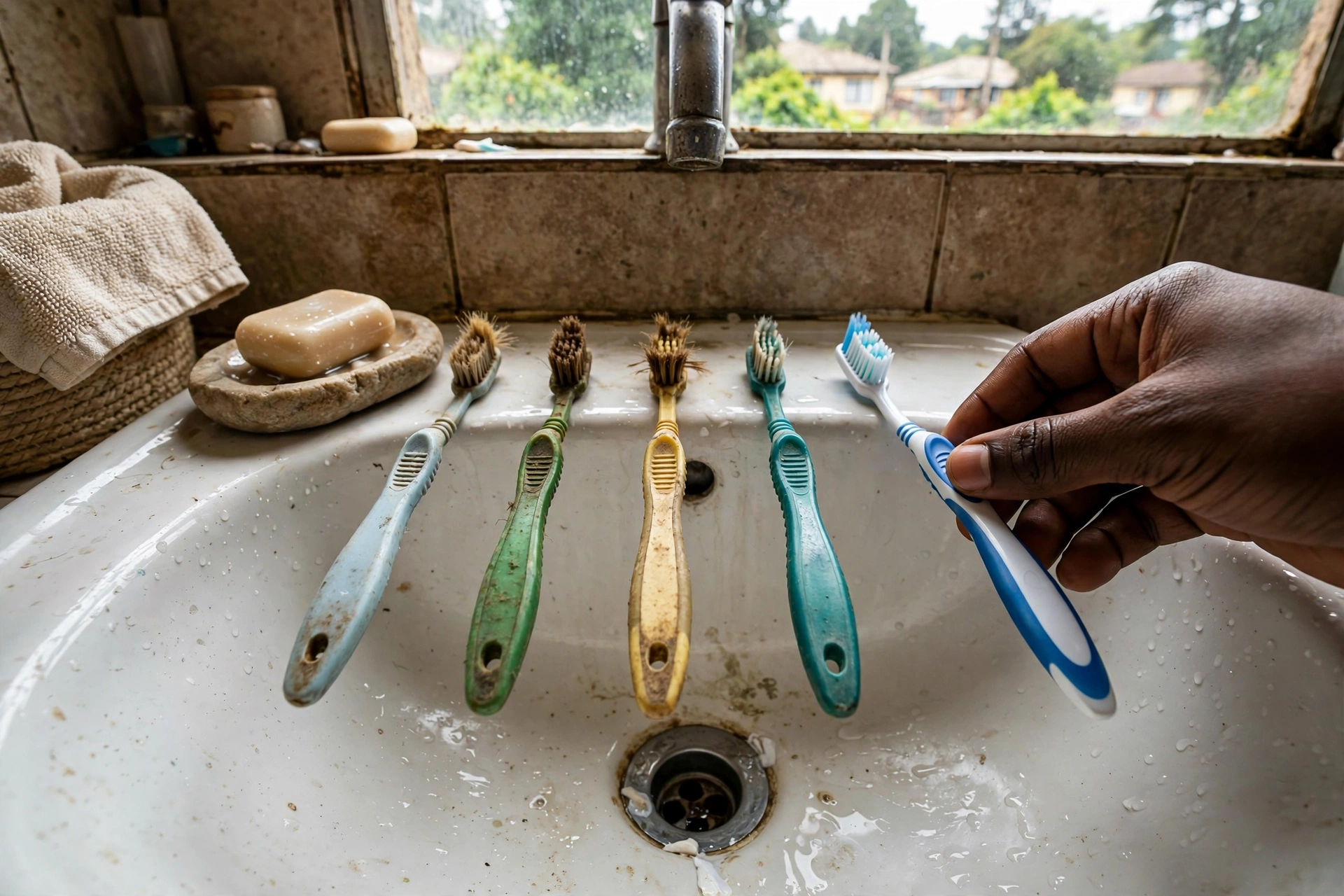
Replace a manual toothbrush or brush head about every three to four months, and sooner if bristles become splayed or damaged. For a related explanation, read How to Prevent Cavities with Zimbabwean Diet: Sadza, Mazoe, Muriwo Tips.
For your own situation, describe exactly when the concern started, whether it is changing and anything you have already tried. Bring a list of regular medicines and let the dentist know about previous reactions, longstanding illnesses or treatment elsewhere. Details that seem unrelated can affect safe dental care.
The second point to understand
A worn brush may clean less effectively. After brushing, rinse the head, let it dry upright and avoid sharing with household members.
Keep a clear distinction between relief of symptoms and resolution of their cause. For example, reduced pain, cleaner-looking teeth or a lower upfront fee does not by itself establish that the clinical problem has been fully managed. Ask how the recommended approach will be reviewed and what outcome is realistically expected.
A practical next step for patients
Keep a spare brush for travel or school; do not attempt to 'sterilise' plastic bristles with boiling water that can deform them. If you rely on borehole water, use a reputable test when mineral content is a concern rather than guessing from taste or colour. Continue fluoride toothpaste unless a qualified clinician gives a reason to change. Seek an assessment if symptoms persist despite improved habits.
Questions to ask at your appointment
Ask the clinician what diagnosis supports the recommendation, what alternatives exist, whether the treatment is urgent, what discomfort to expect and when to return. If a proposed treatment is expensive or irreversible, requesting a second opinion is reasonable. Written instructions are helpful when you need to share aftercare with family.
Important limitations and safety considerations
Bleeding gums, persistent bad breath, mouth sores, loose teeth or pain that lasts are reasons to book an examination rather than simply changing brands of toothpaste.
For help identifying appropriate care, start at Dentist Harare, where you can explore services and ways to arrange an assessment. This website provides general information and is not a substitute for an examination or treatment advice from a registered dental professional.
Frequently asked questions
Is toothpaste alone enough?
No. Cleaning technique, floss or interdental cleaning, food habits and professional reviews also matter.
Do I need a dentist if nothing hurts?
Yes. Decay and gum disease can develop before obvious pain appears.
Continue learning
If you are comparing options, read How to Stop Tooth Sensitivity in Harare's Cold Weather for closely related guidance. Another useful next step is How to Prevent Cavities with Zimbabwean Diet: Sadza, Mazoe, Muriwo Tips, particularly when planning questions for your dental consultation.
Suggested reading
How to Brush Correctly: A Skill, Not Just a Habit – Advice from Harare Dentists
Good Oral Hygiene Contributes to Overall Health – Zimbabwe Doctor Insights
Does Borehole Water Affect Your Teeth? Harare Dentist Explains
Best Foods for Strong Teeth You Can Find in Zimbabwe Markets
Final takeaway
Replace a manual toothbrush or brush head about every three to four months, and sooner if bristles become splayed or damaged. The safest decision is the one based on your own mouth, a transparent explanation of alternatives and realistic follow-up. You do not need to commit to a procedure at the first conversation; ask questions until the proposed plan makes sense.
Medical note: This is educational information, not a diagnosis. For facial swelling that spreads rapidly or difficulty breathing or swallowing, seek emergency medical help.